
Running a thriving restaurant is about far more than just incredible food. Restaurant management is the intricate art of blending culinary passion with operational precision, financial savvy, and human leadership. For any owner, mastering this balance is the difference between a beloved local institution and a fleeting dream. This guide delves into the essential restaurant management tips you need to build a resilient, profitable, and successful business, turning daily challenges into opportunities for growth.
The Heart of the House: Why Restaurant Management Is More Than a Job
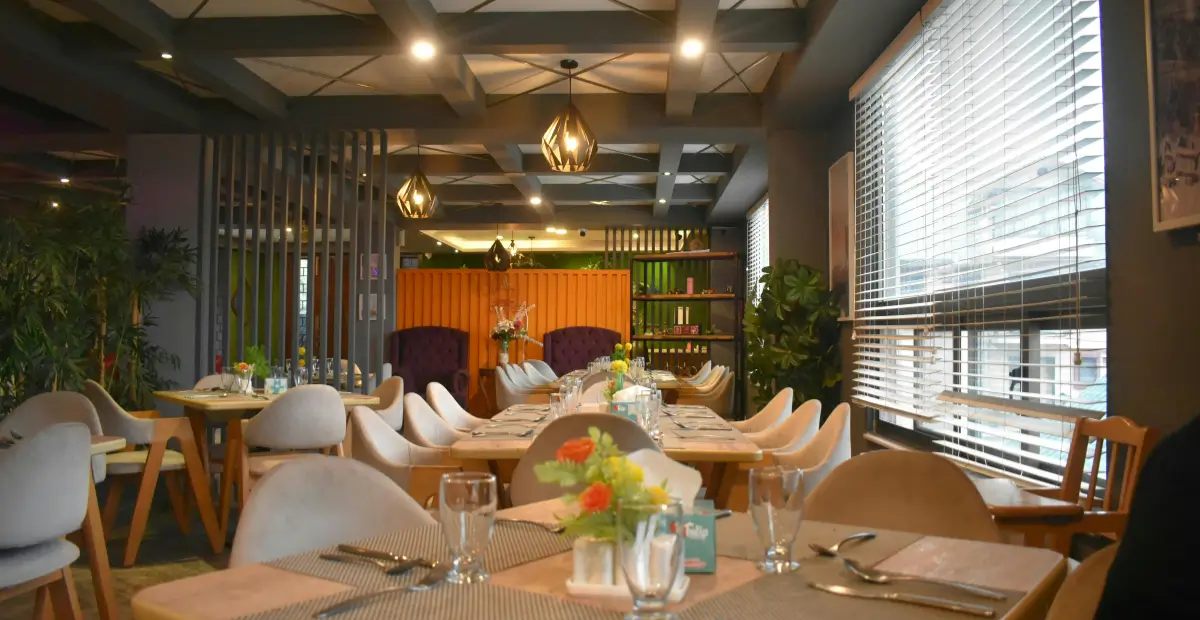
Walk into any truly great restaurant, and you can feel it. There’s a hum of organized energy, a warmth in the service, a consistency in every plate that leaves the kitchen. That feeling isn’t an accident; it’s the direct result of exceptional restaurant management. It’s the unseen framework that allows creativity to flourish and guests to feel cared for. Think of it as conducting an orchestra where the sections are the kitchen, the front-of-house, suppliers, and your guests. If one section is out of tune, the entire performance suffers. For an owner, this role is deeply personal. Your restaurant is an extension of your vision, your investment of time, capital, and heart. The emotional connection you have to those dining rooms and that menu is your fuel, but effective management is the steering wheel that ensures the journey doesn’t end in burnout. It’s about creating a place where memories are made—for your guests, and for the team that serves them.
Foundational Pillars of Effective Restaurant Management
To move from chaos to control, you must solidify your understanding of the core domains that every restaurant owner must command. This isn’t about vague ideas; it’s about establishing clear, actionable systems in the areas that dictate your success or failure.
Financial Acumen: The Language of Your Business
If you don’t speak the language of numbers, you’re flying blind. Financial management is the most non-negotiable skill for a restaurant owner.
-
Prime Cost is Your North Star: Your prime cost—the sum of Cost of Goods Sold (COGS) and total labor cost—is the most critical metric in your business. Industry benchmarks typically target a prime cost between 55-65% of sales. To manage this, you need granular tracking. Don’t just look at a weekly food cost percentage; break it down by protein category, track waste meticulously with waste sheets, and compare theoretical vs. actual food cost. A sudden spike in your poultry cost could indicate portioning issues, theft, or supplier price creep. Knowing the difference is the essence of control.
-
Budgeting for Reality, Not Hope: Create a realistic operating budget based on historical data and clear goals. This includes forecasting sales (accounting for seasonality), and allocating percentages for fixed costs (rent, utilities) and variable costs (food, labor). Use this budget as a live tool. A simple weekly P&L (Profit & Loss) review lets you catch variances early. If labor is running at 34% against a 30% budget in a slow week, you have immediate, data-driven cause to adjust the next week’s schedule.
Operational Excellence: The Engine Room
This is where your systems live. Consistency, efficiency, and guest experience are born here.
-
Standard Operating Procedures (SOPs) Are Your Playbook: Every repeatable task needs a clear SOP. How is the walk-in cooler organized? What are the seven steps of service for your servers? What is the exact checklist for closing the kitchen? Documenting these processes eliminates guesswork, ensures quality control, and dramatically reduces training time for new staff. A great SOP for bartending, for example, doesn’t just list recipes; it specifies glassware, garnish technique, and how to restock the station at the end of a shift.
-
Inventory Management is a Strategic Tool: Moving from a weekly scramble to a disciplined inventory cycle is transformative. Implement a first-in, first-out (FIFO) system religiously. Use a standardized order guide and conduct counts at the same time, with the same team members, to ensure accuracy. Modern technology, from simple spreadsheet templates to dedicated restaurant inventory apps, can link your inventory to your sales, showing you exactly what you’re using versus what you’re selling, highlighting shrinkage and menu item performance.
Leadership & Culture: The Soul of Your Success
Your team is your frontline. Their engagement directly correlates to guest satisfaction and retention.
-
Hire for Attitude, Train for Skill: You can teach someone to carry three plates, but you can’t teach innate warmth, work ethic, and resilience. Structure interviews to reveal these traits. Ask scenario-based questions: “A guest is upset their well-done steak is taking longer than other dishes. How would you handle it?” Their answer reveals empathy, problem-solving, and communication skills.
-
Invest in Training and Clear Communication: Onboarding should be a structured immersion, not just shadowing for a day. Combine hands-on training with your culture handbook and SOPs. Then, foster ongoing communication through brief, focused pre-shift meetings and consistent one-on-one check-ins. Recognize excellence publicly and address issues privately and constructively. A team that feels heard and valued is a team that will go the extra mile when the Friday night rush hits.
Actionable Strategies for a Profitable and Sustainable Restaurant
With the foundations set, these expert-level strategies will elevate your management from competent to competitive.
Master Your Menu Engineering: Your menu is not just a list of dishes; it’s your most powerful sales and profitability tool. Analyze each item through two lenses: popularity (how many are sold) and profitability (contribution margin). Categorize your items:
-
Stars: High popularity, high profitability. Promote and highlight these.
-
Puzzle Plates: High profitability, low popularity. Consider retraining staff to recommend them, repositioning them on the menu, or slight recipe tweaks.
-
Workhorses: High popularity, low profitability. These draw guests in but need careful cost control. They may be priced too low.
-
Dogs: Low popularity, low profitability. These are prime candidates for removal to simplify your kitchen operations and inventory.
Actively engineer your menu’s layout using visual cues. Place high-profit items in the “sweet spots” where the eye naturally goes first (typically the top-right of a section). Use subtle graphic boxes, descriptive language that sells, and strategically avoid dollar signs to soften price perception.
Leverage Technology Intelligently: Stop viewing tech as an expense and start seeing it as a force multiplier.
-
Integrated POS System: Your Point of Sale should be the brain of your operation. It must integrate with your inventory management, accounting software, and reservation platform. This creates a single source of truth, saving countless hours on manual reconciliation and providing real-time sales data.
-
Embrace Data Analytics: Use your POS and other tools to track not just what sells, but when it sells, who sells it (server performance), and what items are commonly bought together (complementary items). This data informs everything from scheduling to marketing campaigns.
Build a Community, Not Just a Customer Base: In the age of faceless delivery apps, your competitive advantage is genuine connection.
-
Implement a Guest Relationship Management (GRM) System: This can start simply—a notebook where staff record regulars’ names and preferences. Evolve to a digital system that tracks visit frequency, average spend, and birthday information. A personalized text or email for a regular’s birthday, offering a complimentary dessert on their next visit, has immense ROI in loyalty.
-
Strategic, Local-Focused Marketing: Move beyond generic social media posts. Host community events like wine tastings with a local shop, charity nights, or supper clubs that showcase a special chef’s talent. Partner with neighboring businesses for cross-promotions. This roots your restaurant as a vital part of the local fabric, not just another transaction point.
Real-World Applications: Lessons from the Front Lines
Case Study 1: The Neighborhood Bistro’s Menu Revolution. A mid-priced bistro in a competitive urban neighborhood was struggling with flat sales and a 68% prime cost. The owner, a chef, had a sprawling 40-item menu he was emotionally attached to. An consultant conducted a full menu engineering analysis, revealing 12 “Dog” items that together accounted for only 5% of sales but 15% of inventory complexity. They also found two “Puzzle” dishes—higher-margin seasonal plates the staff rarely mentioned. The owner made the tough decision to cut the 12 low performers, retrained the entire service team on the stories and selling points of the high-margin items, and redesigned the menu’s layout. Within 90 days, with 30% fewer SKUs to manage, kitchen efficiency improved, waste dropped, and the prime cost fell to 62%. Sales remained stable, meaning profitability increased significantly with less labor and inventory stress.
Case Study 2: From High Turnover to a Core Team. A popular casual-dining restaurant had chronic front-of-house turnover exceeding 80% annually, leading to constant retraining and inconsistent service. The owner decided to invest in culture systematically. First, she implemented a structured 3-day onboarding program combining hospitality philosophy with technical skills. Second, she introduced a simple peer-recognition program where employees could give each other “spotlight” cards for great teamwork, redeemable for small perks. Third, she began holding brief, weekly one-on-ones with each employee, not to micromanage, but to listen to their ideas and career goals. Within a year, turnover was cut in half. The cost of constant hiring and training plummeted, and guest satisfaction scores rose as experienced, empowered staff provided better service.
The Future of Restaurant Management: Trends and Preparations
The landscape is shifting rapidly. The successful owner of tomorrow is already adapting today.
-
The Rise of the “Phygital” Restaurant: The future is a seamless blend of physical and digital experiences. Diners will expect the option to order ahead for dine-in, pay at the table via QR code, and have a loyalty program that remembers their favorite table and order. Your website and app will become as important as your host stand. Investing in integrated tech that creates a frictionless guest journey, from discovery to departure, will be standard.
-
Data-Driven Personalization at Scale: Basic GRM will evolve into sophisticated use of data. Imagine your system alerting a server that a guest who last ordered a specific bottle of wine three months ago has just been seated. The server can then proactively welcome them back and mention a new wine that pairs perfectly with tonight’s special. This hyper-personalization, driven by accessible data, will define premium service.
-
Sustainability as Operational Mandate, Not Marketing Gimmick: Waste tracking will evolve from cost-control to a core operational and ethical metric. Consumers and regulators will demand transparency in sourcing, carbon footprint, and food waste diversion. Systems for composting, precise portioning, and “root-to-stem” cooking will move from trendy to fundamental. Proactively building these systems now future-proofs your business against coming regulations and aligns with growing consumer values.
Your Blueprint for Building a Restaurant That Lasts
Restaurant management is a marathon of a thousand daily sprints. The ultimate takeaway is this: your passion is the spark, but your systems are the engine. By mastering the financial, operational, and human elements with equal diligence, you build more than a business—you build an institution. You create a place of employment that fosters growth, a kitchen that produces art with consistency, and a dining room that feels like a second home to your community. The work is relentless, but the reward—a restaurant that thrives through seasons, trends, and challenges—is a legacy worth building. Start by auditing one pillar this week. Refine one SOP. Have one meaningful conversation with a key employee. Lasting success is built not by a single grand gesture, but by the relentless daily pursuit of excellence in every corner of your operation.